Rubbish removal London Fields E8 for landlords
Posted on 14/06/2026
Rubbish removal London Fields E8 for landlords: a practical guide to faster, cleaner property handovers
If you manage rented property in London Fields, you already know rubbish has a habit of appearing at the worst possible moment. A tenant moves out. A builder leaves offcuts behind. Someone dumps a mattress in the hallway. Suddenly you are trying to turn a lived-in flat back into a lettable home, and time is not on your side. That is exactly where Rubbish removal London Fields E8 for landlords becomes less of a convenience and more of a business essential.
This guide is written for landlords, letting agents, and property managers who need clear, reliable advice on handling waste removal in a busy East London setting. We will look at what the service involves, why it matters, how it works in practice, what to watch out for, and how to keep the whole process efficient without cutting corners. To be fair, most landlord problems are not about "big" waste jobs; they are about small delays, awkward access, and the quiet chaos that follows a tenancy change. And that is where a good system saves the day.
You will also find a straightforward checklist, a comparison of common removal methods, and a realistic example of how a landlord might tackle a flat clearance between tenancies. If you want the bigger picture on service options, it can also help to browse the site's services overview and pricing and quotes guidance before you book anything.

Why Rubbish removal London Fields E8 for landlords Matters
For landlords, rubbish is not just untidy. It affects turnover time, tenant experience, compliance risk, and often the property's first impression. A flat that smells stale, has broken furniture left in a corner, or still contains a pile of black bags in the garden can put off prospective tenants before they even notice the light or layout. And in a competitive rental market, that matters more than people admit.
London Fields and the wider E8 area bring a specific set of realities. Streets are busy, access can be tight, parking is rarely generous, and tenants often expect a quick turnaround between occupations. That means waste removal has to be organised, not improvised. If you leave it too late, you end up juggling cleaners, decorators, key handovers, and viewings all at once. Not ideal.
There is also the trust factor. A landlord who leaves behind someone else's rubbish looks disorganised, even if the rest of the property is excellent. On the flip side, a clean and cleared space gives people confidence. It signals that the home has been looked after. That little feeling of order is worth something.
Expert summary: For landlords, rubbish removal is not only about disposal. It is part of the wider move-in or move-out process, and it helps protect rental income by reducing void periods, complaints, and avoidable delays.
For broader local context on the area and the kind of people renting here, you may also find the site's pieces on Hackney's community and navigating Hackney real estate useful. They are not waste guides as such, but they help frame the market landlords are working in.
How Rubbish removal London Fields E8 for landlords Works
At a practical level, landlord rubbish removal is usually a same-day or pre-booked collection of unwanted items from a rental property. The exact process varies, but most jobs follow the same pattern: assess, quote, remove, sort, and dispose. Simple enough on paper. In reality, the tricky bit is the planning.
A landlord may need one-off removal after a tenancy ends, or recurring support during refurbishments and HMO room changes. A good waste team should be able to handle mixed items such as general junk, broken furniture, white goods, refurbishment waste, bagged rubbish, and garden waste from a shared yard or rear area. If the job is more renovation-heavy, the specialist route may be better suited to builders waste disposal in Hackney.
What usually happens on the day?
- You describe the waste, access, and urgency.
- The collection team confirms what can be taken and how long it may take.
- They arrive, lift and load the waste, and remove it from the site.
- Items are sorted for reuse, recycling, or disposal where appropriate.
- You are left with a clearer, safer, more presentable property.
That process sounds straightforward, and often it is. But landlords should still be ready with keys, access notes, parking details, and a clear instruction on whether anything must be left in place. A five-minute briefing at the start can save a thirty-minute delay later. Tiny detail, big difference.
Key Benefits and Practical Advantages
The biggest advantage is speed, but that is only the beginning. Landlord waste clearance is really about creating control in a busy operational moment. When the property is empty or almost empty, every hour matters. The faster you can remove rubbish, the faster you can clean, inspect, market, or let the space again.
- Reduced void periods: a cleared flat can be cleaned and relisted sooner.
- Better presentation: viewings feel more professional when there is no leftover clutter.
- Safer working conditions: removed waste reduces trip hazards for cleaners, contractors, and agents.
- Less stress during changeovers: one task handled properly is one less thing to chase.
- Better tenant relations: new occupiers do not want to inherit the previous tenant's mess.
- More consistent standards: especially useful if you manage multiple properties across E8 and nearby Hackney areas.
There is another benefit landlords sometimes underestimate: reputation. A landlord who is seen to act promptly when a property is left in poor condition tends to look more organised and more trustworthy. That matters for agents, contractors, and tenants alike. People remember a smooth handover.
If your portfolio includes furnished lets or recently refurbished units, waste removal can also protect the finish of the space. A scratched floor from dragging old furniture out is the sort of thing no one wants to discover on inventory day. A calm, tidy removal is simply better practice.
Who This Is For and When It Makes Sense
This service makes sense for a wide range of landlord situations, not just the obvious end-of-tenancy clear-out. In fact, some of the most useful jobs are the awkward ones that sit between categories.
You may need it if you are:
- preparing a flat after tenants have moved out
- clearing abandoned items left behind in a room, cellar, loft, or garden
- refreshing a property before new marketing photos
- coordinating light refurbishment or strip-out works
- managing a probate-related tenancy transition
- clearing bulky items after a student let or short-term rental stay
- dealing with overflowing bins or fly-tipped waste near the property
It is also useful when you need a property made ready fast but the waste is not dramatic enough to justify a full house clearance. That happens more often than people think. A pair of old wardrobes, a mattress, a broken desk, and a few bags of mixed rubbish can still create a surprisingly large delay if nobody handles them promptly.
For landlords comparing property management priorities in the area, the site's local articles on property investment in Hackney and a resident's view of Hackney can give a useful sense of how presentation and practicality influence demand. Truth be told, renters notice these things quickly.
Step-by-Step Guidance
Here is a clean, practical way to handle a landlord rubbish removal in London Fields without turning it into a half-day headache.
1. Walk the property first
Before you book anything, take a proper look. Check every room, cupboard, loft hatch, shed, and outdoor area. In a quick turnover, waste often hides in plain sight: a wardrobe full of broken hangers, a side return stacked with old blinds, or a pile of packaging left after a small repair. A full visual sweep helps prevent repeat visits.
2. Separate what stays from what goes
Decide what should be removed, what can be reused, and what belongs to the tenant. Keep this very clear. If you are not sure, label items or take photos before anyone touches them. It sounds basic, but it avoids arguments later.
3. Note access and parking details
London Fields access can be awkward. Narrow entrances, controlled parking, and shared hallways all affect how quickly a collection can happen. If the waste is at the rear of a property or up a few flights of stairs, say so upfront. Nobody enjoys a surprise staircase.
4. Identify the waste type
Is it general clutter, furniture, bagged rubbish, or renovation debris? The answer changes how the job is handled. Mixed loads are common in rental properties, and the right team should be able to advise whether standard collection or a more specialised approach is needed.
5. Ask for a clear quote
Good quotes should be based on the actual volume and type of waste, plus access considerations. If you are comparing services, the site's pricing and quotes page is a sensible place to understand what influences cost. Avoid vague estimates that sound nice but mean very little.
6. Book for the right moment
Ideally, schedule collection after inventory checks but before deep cleaning and photography. That sequencing saves work. If the property is undergoing repairs, time the removal so the waste team does not block decorators or cleaners. A little coordination goes a long way.
7. Confirm disposal and paperwork expectations
For landlords, it is smart to know how the waste is being handled. Responsible operators should be able to explain sorting, recycling, and disposal practices in plain English. The site's recycling and sustainability information is worth a look if you want to understand the approach better.
Expert Tips for Better Results
Here are the small decisions that tend to make the biggest difference. Not glamorous, but useful. Very useful.
- Group items by room before the team arrives. It speeds up loading and reduces confusion.
- Photograph the waste beforehand if you are managing remotely or through an agent.
- Keep one person in charge of the handover. Mixed instructions from three different people slow everything down.
- Flag any heavy or awkward items in advance, especially bulky furniture or appliances.
- Plan around building access times if the flat is in a managed block or above commercial premises.
- Bundle waste removal with cleaning rather than treating them as separate last-minute jobs.
One thing we often see: landlords waiting until a tenant has already left, then discovering the property contains more waste than expected. A better habit is to build a quick waste check into your move-out process. It takes minutes and can save a lot of backtracking. Also, it makes everyone less grumpy on a Friday afternoon, which is no bad thing.
If the property includes a garden, balcony, or communal outside space, you may need a separate route for green waste or outdoor debris. For that, the dedicated garden waste removal Hackney page may be helpful, especially after overgrown tenancies or neglected patios.

Common Mistakes to Avoid
Most landlord waste jobs go smoothly because someone has done the thinking beforehand. The problems usually come from rushed assumptions.
- Assuming everything is "just rubbish" when some items may be reusable, sensitive, or need separate handling.
- Forgetting access restrictions such as permits, gate codes, or loading limitations.
- Not checking communal rules in blocks with shared entrances or service areas.
- Leaving collection too late and colliding with cleaning or contractor schedules.
- Choosing a service purely on price without asking what is included.
- Ignoring bulky waste hidden in storage areas until the day before new tenants arrive.
The worst mistake? Treating rubbish removal as an afterthought. That is how a one-hour job becomes a two-day snag. And nobody needs that.
Tools, Resources and Recommendations
You do not need a complicated toolkit to manage landlord rubbish removal well, but a few simple resources make the process smoother.
- Inventory photos: useful for establishing what was left behind and where.
- Room-by-room checklist: helps prevent missed items in wardrobes, under beds, or in cupboards.
- Access notes: include keys, codes, loading points, and contact details.
- Waste category list: separate furniture, bagged rubbish, appliances, and construction debris.
- Scheduling calendar: coordinate clearance with cleaners, agents, and decorators.
If you manage several properties, it helps to use one repeatable process across all of them. That way, each move-out feels familiar rather than a fresh puzzle every time. For services beyond basic collection, the waste removal Hackney page gives a useful broader overview, while house clearance Hackney can be more relevant when a property is especially full or has multiple rooms to empty.
And if your landlord work overlaps with a home office or rental office setup, the site also has an office clearance Hackney page. It is a niche use case, but some mixed-use properties in and around E8 do blur those lines.
Law, Compliance, Standards, or Best Practice
Landlords do not need to become waste-law specialists, but they do need to follow sensible UK best practice. That means using a responsible collection service, keeping an eye on what happens to the waste, and avoiding anything that could be described as careless disposal.
In plain terms, a landlord should not hand waste over to someone who cannot explain where it is going. If a job includes mixed rubbish, furniture, or renovation material, it should still be collected and handled in a controlled way. Good operators understand safety, loading practice, and disposal segregation. The insurance and safety information on the site is a sensible read if you want to understand the practical safeguards expected from a professional service.
It is also worth thinking about tenant belongings. If items are left behind, they may not automatically become waste in the same casual sense people assume. A landlord should act carefully, keep records where appropriate, and follow the terms of the tenancy and normal legal best practice. That does not mean being slow. It means being tidy, fair, and documented.
For wider operational trust and policy information, you can also review the site's about us page and supporting policy pages such as terms and conditions and privacy policy. These do not change how a waste job is carried out, but they do signal the sort of standards a landlord should expect from a professional business.
Options, Methods, or Comparison Table
Landlords usually have three broad ways to handle waste removal. Each one has a place, but they are not equal in speed or convenience.
| Method | Best for | Pros | Limitations |
|---|---|---|---|
| DIY disposal | Very small loads and personal items | Low direct cost if you already have transport | Time-consuming, awkward for bulky items, and easy to underestimate effort |
| Skip hire | Larger refurbishment jobs or ongoing works | Useful for bigger volumes and longer projects | Requires space, can be inconvenient in tight London streets, and may be overkill for small landlord jobs |
| Professional rubbish removal | End-of-tenancy clearances, bulky items, mixed waste, quick turnarounds | Fast, labour included, less hassle, good for access-limited properties | Can be less suitable for very long projects where a skip is kept full over several days |
For most landlord scenarios in London Fields, professional collection is the sweet spot. It is especially helpful when the property needs to be turned around fast and you want the labour, loading, and disposal handled in one go. Skip hire can still make sense for larger refurbishments, but for a normal end-of-tenancy clear-out it can feel like bringing in a wheelbarrow to move a sofa. Slightly over the top.
Case Study or Real-World Example
Imagine a two-bedroom flat off London Fields, let to sharers. The tenants have left on a Thursday morning, and the agent wants photos taken by Monday. The property is not trashed, but it does contain a broken bookcase, a disassembled bed frame, a mattress, several black bags, and a few pieces of random kitchen clutter that somehow survived every previous move.
The landlord walks through the flat on Thursday afternoon, identifies what is staying, and marks the rest. They note that access is via a narrow staircase and that parking is tricky before 10 a.m. Friday. Instead of waiting until Monday, they arrange collection for Friday morning. The waste team removes the bulky items in one visit, leaving the cleaner free to work the same day. By Saturday, the place smells fresh again and the agent can take photos in good light rather than in a half-cleared room with old furniture shadows in the corner.
That is the kind of practical sequence that prevents a small clearance from turning into a schedule disaster. Nothing fancy. Just good timing, clear instructions, and one less thing for the landlord to worry about.
Practical Checklist
Use this checklist before booking rubbish removal for a landlord property in London Fields E8.
- Walk every room, storage area, loft, garden, and balcony.
- Separate rubbish, reusable items, and any belongings that may need care.
- Take photos for your records.
- Confirm access details, codes, and parking limitations.
- Identify bulky, heavy, or awkward items.
- Check whether any builders waste is involved.
- Decide whether standard collection or house clearance is the better fit.
- Book the removal before cleaning and photography.
- Confirm who is present on the day and who can make decisions.
- Keep a note of what was removed and when.
If you tick off those steps, you are already ahead of most rushed turnovers. Honestly, it is a small bit of admin that pays back quickly.
Conclusion
For landlords, rubbish removal in London Fields E8 is really about keeping the rental cycle moving. The cleaner the handover, the easier it is to protect value, reduce stress, and get the property back on the market with confidence. Whether you are dealing with leftover furniture, mixed household waste, or the aftermath of a refurb, the main goals stay the same: act quickly, communicate clearly, and choose the right method for the job.
There is no need to overcomplicate it. A good process, a sensible checklist, and a reliable waste solution can save time at exactly the point when time feels shortest. And if you are juggling a few jobs at once, that little bit of order can feel like a breath of fresh air.
Get a free quote today and see how much you can save.
For landlords and property managers, the real win is simple: a property that is clean, clear, and ready for the next chapter without fuss. That is the sort of finish people notice, even if they never say so out loud.
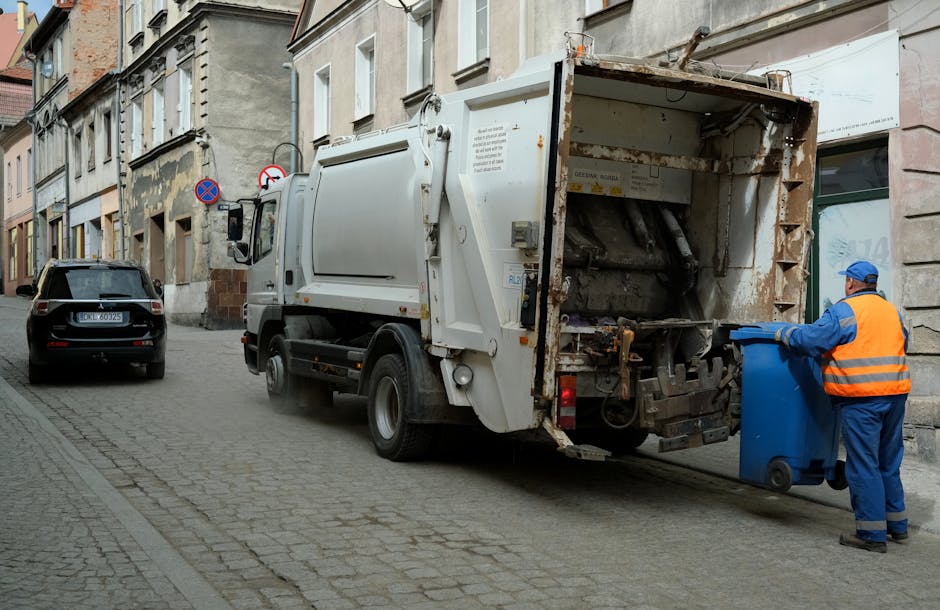
 Tipper Van - Rubbish Collection and Attic Waste Clearance Prices in Hackney, E5
 Luton Van - Rubbish Collection and Attic Waste Clearance Prices in Hackney, E5