Rubbish collection Mare Street Hackney guide
Posted on 29/05/2026
If you live, work, or manage property around Mare Street, rubbish has a way of becoming urgent at the least convenient moment. A flat clear-out before a move, a pile of builders' waste after a renovation, a broken wardrobe blocking the hallway, or just a garden heap that has got out of hand by Sunday evening - it all needs dealing with properly. This Rubbish collection Mare Street Hackney guide breaks down how local collection and removal services work, what to expect, where people go wrong, and how to choose the right option without wasting time or money.
Whether you are a homeowner, tenant, landlord, business owner, or contractor, the aim is the same: get rid of waste safely, legally, and with as little fuss as possible. To be fair, that sounds simple until you are standing in front of a full front room wondering where the old sofa is meant to go. Let's make it clearer.
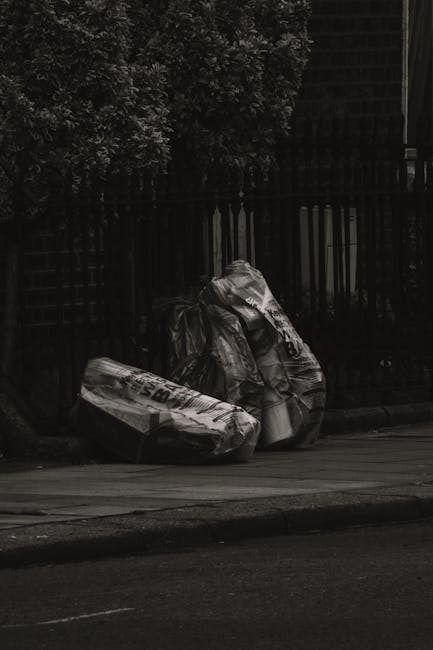
Why Rubbish collection Mare Street Hackney guide Matters
Mare Street sits in one of Hackney's busiest, most lived-in corridors. That matters because rubbish collection here is not just about getting rid of waste; it is about timing, access, and keeping shared spaces usable. On a street with flats, shops, offices, and transport activity, a missed collection or badly placed pile can quickly become a nuisance for neighbours, customers, or building managers.
There is also a practical side. Waste that sits around too long can attract pests, block entrances, create trip hazards, and make a property look neglected. If you are preparing a rental, a sale, or simply trying to keep on top of a busy household, the difference between a tidy collection and a chaotic one is surprisingly large.
This is where local knowledge helps. A service that understands Hackney's streets, loading constraints, and mixed property types can save a lot of back-and-forth. If you want a broader view of the services available, it can help to start with the site's services overview and then narrow down to the right type of collection for your situation.
And honestly, Mare Street has enough going on already. Nobody needs a sofa lurking outside a doorway for three days.
How Rubbish collection Mare Street Hackney guide Works
Most rubbish collection services follow a simple pattern: you describe the waste, the provider estimates the load, a collection time is arranged, and the waste is removed by a team. The details matter, though. Different materials need different handling, and the way your waste is stored or stacked can affect price, time on site, and whether the job can be completed in one visit.
In many cases, the process starts with a photo or a short description. That helps the provider judge whether the job is a small household pick-up, a larger clearance, or something more specialised such as builders' debris. Clear photos usually give a better result than a long explanation. If you can, show the whole pile, the access route, and any heavy items that may need two people to move.
Here is the usual sequence:
- Enquiry: you explain what needs collecting, where you are, and when you need it done.
- Quote or estimate: the collection is priced based on volume, weight, access, and waste type.
- Scheduling: a slot is arranged that works for your home, business, or building.
- Collection: the team arrives, loads the waste, and checks for anything that needs separate handling.
- Disposal or sorting: recyclable materials, reusable items, and general waste are handled appropriately.
For heavier or more awkward jobs, such as mixed renovation waste, you may want to look at a more specific service like builders' waste disposal in Hackney. If the issue is more about clearing a whole property, then house clearance in Hackney may be the better fit. Different jobs, different shape. Simple really, once you know what you are looking at.
Key Benefits and Practical Advantages
A good rubbish collection service does more than lift bags and drive away. It reduces stress, improves safety, and gives you back space quickly. On Mare Street, where access and foot traffic can be tight, that convenience is worth a lot.
Key benefits include:
- Time saved: no need to hire a vehicle, lift heavy items yourself, or make repeated trips to a disposal point.
- Safer handling: bulky furniture, sharp debris, and heavy bags are moved by people used to handling them.
- Cleaner property presentation: useful for landlords, sellers, and anyone expecting visitors or clients.
- Better recycling outcomes: waste can be sorted rather than simply dumped into one mixed load.
- Less disruption: a fast collection can keep a renovation, move, or office clear-out moving.
There is also a quieter benefit that people often underestimate: peace of mind. When waste is gone properly, you are not left wondering whether the job was done legally or whether someone will come back asking questions. If sustainability matters to you, have a look at the company's recycling and sustainability approach as part of your decision-making.
Expert summary: the best rubbish collection is the one that fits the waste type, the property access, and the urgency of the job. Not the cheapest headline number. Not the flashiest promise. The right fit.
Who This Is For and When It Makes Sense
This guide is useful for a wide mix of people, because rubbish builds up in very different ways.
You may need collection if you are:
- a tenant clearing out after a tenancy change
- a landlord preparing a flat for new occupants
- a homeowner after a declutter or refurbishment
- a small business dealing with office waste or old stock
- a contractor removing rubble, timber, plasterboard, or packaging
- a garden owner dealing with branches, soil, and green waste
It makes sense when the waste is too large, too awkward, or too urgent for normal bin collection. It also makes sense when you want one clean solution instead of several small trips. If your job is more office-focused, the dedicated office clearance service may be the cleanest route. If it is mainly outdoor debris, garden waste removal in Hackney is often the more relevant option.
A common real-world example: a flat on Mare Street gets emptied after a long tenancy. There is a mattress, a coffee table, a few black bags, and a broken desk. You could try to piece it together over a week. Or you can arrange one collection and get the place back to neutral in a morning. No drama. No pile in the hall.
Step-by-Step Guidance
Here is the practical way to approach rubbish collection without overcomplicating it.
1. Identify what needs to go
Walk through the space and separate waste into rough categories: furniture, bagged rubbish, electrical items, renovation waste, garden material, and anything potentially hazardous. This helps avoid pricing surprises and makes the collection more efficient.
2. Check access
Think about stairs, lifts, narrow corridors, shared entrances, parking, and loading space. On Mare Street, this can be the bit that changes everything. If the team can park close and move freely, the job is smoother. If not, allow a bit more time.
3. Request a clear quote
Good quotes should be based on real information, not guesswork. Share photos if possible, and mention whether items are upstairs or in a basement. If you want to compare price options, the page on pricing and quotes is a sensible place to understand how estimates are usually built.
4. Prepare the waste
Put small items into bags, keep sharp objects contained, and separate anything recyclable if you can. Do not block fire exits or shared hallways. In a busy building, that is the sort of thing that annoys everyone very quickly.
5. Be clear about what is included
Ask whether labour, loading, disposal, VAT, and any extras are included in the price. A "cheap" quote can become less attractive if there are add-ons for stairs, distance from the vehicle, or heavy items.
6. Keep a record
For business waste, landlord jobs, or larger clearances, keep a simple record of what was removed and when. It helps with property management, invoices, and general accountability. Not glamorous, but useful. Very useful.
Expert Tips for Better Results
After plenty of local collections, a few patterns show up again and again. The jobs that go smoothly usually share the same habits.
- Use photos before quoting: they remove uncertainty and reduce misunderstandings.
- Separate reusable items: a working chair or table may be better treated as reusable than mixed waste.
- Measure awkward items: large wardrobes and white goods can be harder to move than people expect.
- Be realistic about access: if parking is tight, say so early.
- Bundle jobs together when sensible: one collection is often easier than several smaller ones.
Another small tip: if you are clearing a property in a built-up area, try to avoid the busiest delivery windows. Mid-morning can sometimes be easier than the early rush. A collection that arrives when the street is already clogged with vans can feel twice as awkward. One quiet hour makes a difference.
If you want more reassurance around the company behind the service, take a look at the about us page and the insurance and safety information. Those details matter more than people often admit, especially for heavier jobs or shared buildings.

Common Mistakes to Avoid
Rubbish removal sounds straightforward, but a few avoidable mistakes can create delays, extra charges, or unnecessary hassle.
- Underestimating volume: a pile that looks small from one angle can fill a van faster than expected.
- Leaving sorting too late: mixing everything together makes it harder to identify special waste.
- Ignoring access issues: stairs, locked gates, and parking restrictions all matter.
- Forgetting fragile or hazardous items: broken glass, paint, batteries, and similar items may need separate handling.
- Choosing only on price: the cheapest option is not always the best if it lacks proper clarity or flexibility.
One common slip, truth be told, is assuming all waste is treated the same. It is not. A mattress, a pile of branches, and a broken kitchen cabinet may all look like "rubbish", but they do not always travel through the process in the same way. That distinction matters.
Tools, Resources and Recommendations
You do not need fancy equipment to organise a decent rubbish collection, but a few simple tools make life easier.
- Phone camera: take wide-angle photos of the waste and access route.
- Basic tape measure: especially useful for sofas, wardrobes, mattresses, and appliances.
- Marker pen or labels: handy if you are separating recyclable or keepable items.
- Sturdy gloves: useful if you are sorting sharp or dusty waste beforehand.
- Simple checklist: prevents the "oh, there was also that broken chair" moment five minutes after the team arrives.
For property-related projects, it can also help to read the local context. If you are moving, renovating, or investing in the area, the site's guides such as navigating Hackney real estate and Hackney property investment guide give broader background on how local homes and buildings are used. That matters because waste needs often change with the property cycle.
And if you are simply trying to understand the neighbourhood better, there is some useful reading on Hackney's lively and diverse community and a resident's view of Hackney. Not directly about rubbish, sure, but it helps explain the pace and texture of the area.
Law, Compliance, Standards, or Best Practice
Waste collection in the UK is not something to treat casually. The exact duties vary depending on whether you are a household, landlord, tenant, or business, but the general principle is simple: waste should be handled responsibly, transferred to a suitable operator, and not fly-tipped or left in a way that creates risk.
For householders, best practice means using a reputable collection service, making sure your waste is described accurately, and keeping items out of the public way longer than necessary. For businesses and landlords, it is worth paying extra attention to records, duty-of-care expectations, and how waste is sorted before collection. If in doubt, ask questions early. A good provider should welcome that.
There are also practical safety expectations around heavy lifting, access, and disposal of awkward items. Bulky waste, broken fittings, and renovation debris should be moved carefully, not dragged through communal areas like an afterthought. That is where proper handling, insurance, and experience become part of the service, not a bonus.
If your waste includes materials that need special treatment, say so plainly. Paint tins, chemicals, batteries, fridges, and certain electrical items may need separate arrangements. Better to ask than assume. A little caution saves a lot of trouble later.
Options, Methods, or Comparison Table
Different removal methods suit different situations. Here is a simple comparison to help you choose.
| Method | Best for | Pros | Watch-outs |
|---|---|---|---|
| Ad hoc rubbish collection | General household or mixed light waste | Quick, flexible, usually simple to arrange | Less suited to very large or specialist loads |
| House clearance | Full or partial property clear-outs | Good for entire rooms, probate, moves, end of tenancy | Needs clearer planning and access |
| Office clearance | Business furniture, files, old stock, office junk | Helps keep workspaces open and tidy | May involve timing around business hours |
| Builders' waste disposal | Renovation debris, rubble, timber, packaging | Handles heavy, messy material efficiently | Heavier loads can change pricing and loading time |
| Garden waste removal | Branches, soil, cuttings, outdoor debris | Useful after pruning, landscaping, or seasonal work | Wet green waste can be heavier than expected |
If you are unsure which option fits, start with the waste type, then consider volume, urgency, and access. That simple order solves a lot. If it is mostly one room's contents, you are probably in clearance territory. If it is a few bulky items and bags, collection may be enough.
Case Study or Real-World Example
A typical Mare Street scenario goes something like this: a small flat has just been repainted, a new bed is arriving tomorrow, and the old frame, a broken lamp, two storage boxes, and some mixed bagged rubbish need to go. The resident does not want to leave anything outside overnight because the street is busy and the building entrance is shared.
They take a few photos in daylight, show the access route, and mention that the flat is up one flight of stairs. The collection is booked for mid-morning, when the building is quieter and the hallway is clear. The team arrives, loads the items efficiently, and the flat is back to feeling like a home rather than a holding area for abandoned furniture.
Now compare that with the same job handled late, with no photos, items scattered between two rooms, and nobody sure whether the old desk is part of the quote. That version takes longer, creates stress, and usually costs more in time if not money. So the lesson is simple: a little preparation pays off.
It is not glamorous. But it works.
Practical Checklist
Use this before your collection day.
- Confirm what needs collecting
- Take clear photos of the waste
- Note stairs, lifts, parking, and entry codes
- Separate hazardous or specialist items
- Bag loose waste where possible
- Measure bulky items if they look awkward
- Check whether the quote includes labour and disposal
- Make sure hallways and exits are clear
- Keep any items you want to reuse or donate away from the pile
- Have your contact details ready for the collection team
Quick practical takeaway: the smoother the access and the clearer the description, the smoother the collection. That is usually the whole game.
Conclusion
A well-handled rubbish collection in Mare Street is about more than removing clutter. It is about keeping a busy part of Hackney functional, tidy, and manageable for the people who live and work there. When you choose the right service, describe the waste properly, and prepare the site with a bit of care, the whole process becomes far less stressful than people expect.
Whether you are clearing a flat, tidying a shop, removing garden waste, or getting rid of builders' debris, the best approach is the one that matches your load, your access, and your timetable. Simple. Sensible. Done properly.
If you want help choosing the right service, comparing options, or getting the job done without the usual fuss, take the next step with confidence.
Get a free quote today and see how much you can save.

 Tipper Van - Rubbish Collection and Attic Waste Clearance Prices in Hackney, E5
 Luton Van - Rubbish Collection and Attic Waste Clearance Prices in Hackney, E5