Booking mistakes for Hackney rubbish collection common problems
Posted on 19/08/2026
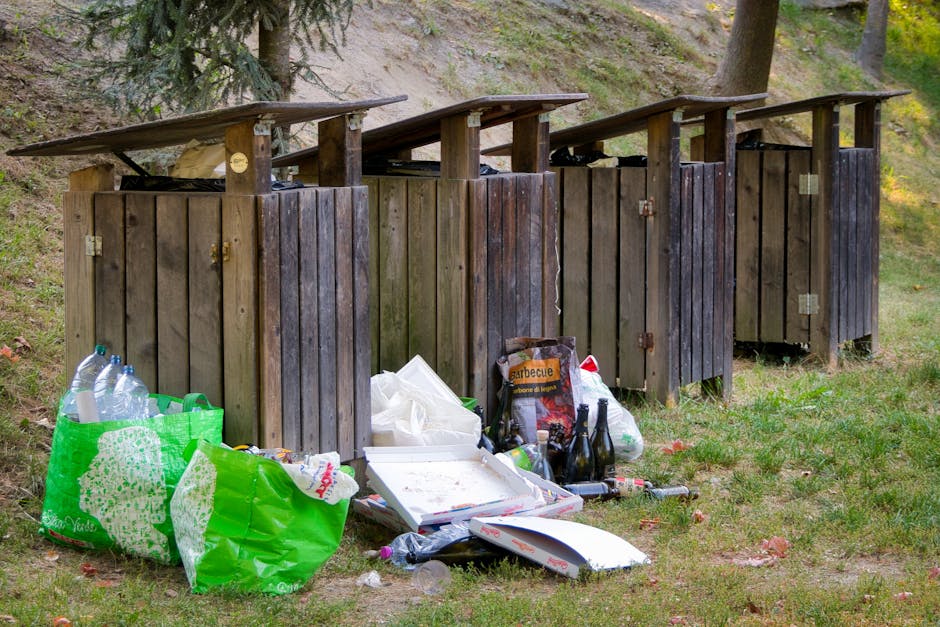
If you have ever tried to arrange a rubbish pickup in Hackney and felt the process should be simple but somehow became a mess, you are not alone. The most common booking mistakes for Hackney rubbish collection are usually not dramatic; they are small, easy-to-miss details that turn into delays, extra charges, missed collections, or awkward access problems on the day. The good news? Most of these issues are avoidable once you know what operators actually need from you.
This guide breaks down the common problems people run into, why they happen, and how to book properly the first time. It is written for homeowners, landlords, tenants, tradespeople, office managers, and anyone dealing with household junk, bulky waste, garden waste, builders waste, or a full property clearance in Hackney. A bit of planning goes a long way. Honestly, it saves a lot of faff.
Why booking mistakes for Hackney rubbish collection common problems matters
Booking errors do more than waste time. In Hackney, where streets can be busy, parking can be tight, and access rules can be awkward on estates or shared roads, one wrong assumption can affect the whole collection. If the crew cannot get near the waste, if the load is bigger than expected, or if the waste type was described badly, the booking may need to be changed on arrival. That usually means stress, rescheduling, or extra cost.
There is also a trust issue. When a booking is made with vague details, the customer often feels surprised by the outcome. Meanwhile the collection team may feel they were given incomplete information. That gap is where most common problems begin. To be fair, both sides can avoid a lot of frustration with clearer communication.
For local residents, landlords, and businesses, getting the booking right also helps protect shared spaces, neighbours, and building management relationships. Nobody wants a sofa blocking a hallway at 8 a.m. or a skip-sized pile left outside a shop doorway because access was not checked. Small planning steps make the whole job smoother.
Expert summary: Most rubbish collection problems in Hackney start before the van arrives. Wrong waste description, poor access details, unclear timing, and weak photo or size estimates are the usual culprits.
If you are comparing service options or checking what a broader waste clear-out might involve, it can help to review the wider services overview and the company's approach to recycling and sustainability. That gives context before you book anything.
How booking mistakes for Hackney rubbish collection common problems works
The booking process is usually straightforward: you explain what needs collecting, the provider estimates the load, checks access and timing, confirms the price, then sends a team to remove the waste. Simple on paper. In real life, the process depends on accurate information.
Most collection teams need to know:
- the type of waste: household rubbish, furniture, garden waste, builders waste, office items, or mixed load
- the approximate volume: a few bags, half a van, full van, or something larger
- where the items are located: roadside, front garden, upstairs flat, basement, office floor, estate, or rear access
- access details: parking restrictions, lifts, narrow stairs, locked gates, timed entry, and permit issues
- timing: whether the job is flexible, urgent, or tied to a move-out, end-of-tenancy handover, or building work
When one of those points is missing, the booking can still go ahead, but the risk of a problem rises fast. The provider may arrive expecting a quick load and find a full flat clearance. Or they may plan for roadside loading and discover they must carry everything down several flights of stairs. That changes labour, time, and often price.
Some bookings also fail because the customer assumes the service is similar to council collection. It usually is not. Private rubbish collection is typically arranged around the actual load and access conditions rather than a fixed bin day routine. That difference matters, especially for one-off clearances and awkward jobs.
If your project is more than a simple bag-and-go collection, the more detailed guides for house clearance in Hackney, office clearance, or builders waste disposal may also help you understand what to expect.
Key benefits and practical advantages
Getting the booking right gives you more than a tidy driveway. It gives you certainty. That matters if you are juggling movers, contractors, tenants, or a hard deadline. A properly planned rubbish collection usually means fewer phone calls, fewer surprises, and a cleaner finish.
- Better pricing clarity: accurate booking details reduce the risk of a quote changing on arrival.
- Less disruption: the team can plan the right vehicle, number of staff, and collection time.
- Faster completion: access issues and load mismatches are the biggest time drains.
- Lower stress: you do not have to scramble for measurements or move items at the last minute.
- Improved safety: clear booking notes help the team plan lifting, carrying, and parking properly.
There is also a practical local benefit. In busy parts of Hackney, such as estates, narrow streets, and mixed-use blocks, collections often work best when the customer has already thought through access and timing. That is not just helpful. It can be the difference between a clean same-day removal and a delayed job that eats half your afternoon.
For people focused on cost and value, the page on pricing and quotes is a useful next stop. It helps you think about value beyond the headline number, which is where many booking mistakes start anyway.
Who this is for and when it makes sense
This topic is relevant to more people than you might think. Rubbish collection bookings are not only for one-off house clear-outs. They come up in ordinary life all the time.
- Homeowners: after decluttering, renovations, or moving day
- Renters: when leaving a flat and clearing bulky items before checkout
- Landlords and agents: between tenancies, after tenant turnover, or before viewings
- Trades and builders: for rubble, timber, packaging, and job-site clean-up
- Businesses: office refreshes, archive clearance, and furniture disposal
- Gardeners and property managers: for hedge cuttings, soil bags, and green waste
It makes sense to slow down and book carefully whenever there is any of the following: tight access, shared entrances, estate restrictions, uncertain waste type, or a deadline that cannot slip. If any of those sound familiar, you are in the right place.
A small but useful side note: Hackney properties vary wildly. One flat may have a lift and wide hallway; another may have a staircase so narrow you wonder how the sofa got in there in the first place. The booking should reflect the actual property, not a best-case version of it.
Step-by-step guidance
Here is a practical way to book rubbish collection without falling into the common traps. Keep it simple and honest. That really is the trick.
- List the waste by type. Separate household rubbish, furniture, electricals, green waste, and construction debris if you can. Mixed loads can be fine, but the provider needs to know what is there.
- Estimate the volume properly. Use bags, bins, boxes, or room sizes as reference points. A quick photo is often better than a vague description.
- Check access before you book. Think about stairs, lifts, gate codes, parking, loading bays, estate rules, and whether the crew can park close enough to work efficiently.
- Be clear about urgency. Same-day or next-day collections may be possible, but only if the provider knows the timeline early.
- Ask what is included. Confirm labour, loading, disposal, and any likely extras. This is where hidden charges are often born.
- Share any awkward details upfront. Broken glass, heavy appliances, damp waste, or items in a basement all change the job.
- Get the confirmation in writing. A written summary is helpful if you need to check the time, price, or scope later.
If the job is urgent, the article on avoiding delays and fees on urgent rubbish removal covers the pressure points that matter most. And if access is the main headache, this guide to estate access problems and fixes is especially relevant.
One more thing: take a photo from a doorway if possible. You do not need to produce a masterpiece. Just enough to show scale and layout. It saves everyone from guessing.
Expert tips for better results
After enough bookings, a few patterns become obvious. These are the details that separate a smooth collection from a messy one.
1. Describe the hardest item, not the easiest one
If there is one bulky wardrobe, a heavy fridge, or a broken sofa among a pile of bags, mention that item first. The awkward piece often drives the labour requirement, not the pile of light waste around it.
2. Mention parking as if the crew has never been there
Do not assume the collector will "work it out." In Hackney, that can be optimistic at best. If there is loading only after a certain time, a permit issue, or a tight entrance, say so early.
3. Be honest about volume
People often understate load size because they want a lower price. Fair enough, but it usually backfires. The quote may change, or the collection may be delayed while the crew recalculates what can fit.
4. Keep a fallback window
If your move-out, tenant handover, or builders' schedule is tight, avoid booking the collection at the exact last minute. A little buffer can save the day if traffic, access, or weather gets in the way. London mornings can be a bit unpredictable, let's face it.
5. Ask about disposal expectations
If you care about recycling, reuse, or responsible processing, ask how the provider handles different waste types. That shows you are thinking beyond the pickup itself, which is exactly the right approach.
For people making choices around different service types, the waste removal service and garden waste removal pages can help you match the right job to the right service.

Common mistakes to avoid
Most booking issues are surprisingly ordinary. You see the same handful again and again, which is useful because it means they are easy to prevent.
- Booking without photos or measurements: "a few bits" is not enough when the crew needs to plan labour and vehicle space.
- Ignoring access restrictions: estate gates, shared hallways, low bridges, and parking limits can derail the job.
- Mixing waste types without saying so: garden cuttings, bricks, furniture, and electrical items may all need different handling.
- Assuming everything can be taken: some items require special handling, and some are simply not suitable for standard collection.
- Leaving items in a locked or inaccessible location: if no one can open the door or guide the crew, the collection stalls.
- Not checking the finish time: late collections can clash with neighbours, building rules, or parking limits.
- Relying on vague pricing promises: if it sounds too simple, it may be missing something important.
A lot of hidden cost problems start here. If you want a deeper look at price-related surprises, the article on hidden rubbish collection charges in Hackney is worth reading before you confirm anything.
One easy rule: if you would need extra explanation in person, put it in the booking. Simple. No drama.
Tools, resources and recommendations
You do not need specialist software to book rubbish collection well. A few basic tools and habits are enough.
- Phone camera: take wide shots of the waste and the access route.
- Notes app: keep the approximate item list, floor level, and entry details in one place.
- Room-by-room check: useful for house clearances and end-of-tenancy jobs.
- Measurement tape: handy for bulky furniture, sheds, or stacked waste.
- Calendar reminder: helps you avoid missing the collection window or forgetting to unlock access points.
For broader context, these internal pages may help you prepare better:
- about the company
- insurance and safety information
- payment and security guidance
- accessibility details
And if you are planning a larger declutter or clearance, the more specialised pages for office clearance and house clearance can help you choose the right route.
Law, compliance, standards, or best practice
It is sensible to treat waste booking as more than a convenience task. In the UK, waste handling and disposal carry responsibilities, and customers should be careful about who they hire. You do not need to become a compliance expert, but you should expect clear paperwork, sensible handling, and responsible disposal practices.
Best practice usually includes:
- clear description of the waste before collection
- honest pricing and scope confirmation
- safe lifting and loading practices
- appropriate treatment of recyclable materials where possible
- respect for building rules, neighbours, and access arrangements
If you are disposing of builders waste, office clearances, or mixed property waste, it is even more important to check what the service covers. A good provider should explain limitations clearly rather than leaving you to guess. That is part of trust.
You may also want to review the site's terms and conditions and privacy policy so you understand how bookings, data, and service expectations are handled. It is a boring step, yes, but useful. Boring and useful often travel together.
For readers dealing with construction debris specifically, the builders waste disposal page is the most relevant starting point. It helps set the right expectations for load type and job size.
Options, methods, or comparison table
Choosing the right collection method is part of avoiding booking mistakes. The best choice depends on the size of the job, how quickly it needs to happen, and how easy the property is to access.
| Option | Best for | Common risk | Booking tip |
|---|---|---|---|
| Small bag or item collection | Light household waste, a few bags, single bulky items | Underestimating the volume | Send a photo and count the bags properly |
| General waste removal | Mixed domestic waste, decluttering, bulky rubbish | Forgetting access details | Note stairs, parking, and any gate codes |
| House clearance | Whole-room or full-property clear-outs | Missing hidden items in lofts or sheds | Walk the property room by room before booking |
| Office clearance | Desks, chairs, files, and commercial waste | Business timing clashes | Confirm building access and quiet hours |
| Builders waste disposal | Rubble, timber, packaging, renovation debris | Weight and load assumptions | Separate heavy waste from light mixed waste |
| Garden waste removal | Branches, clippings, soil bags, green cuttings | Overfilling bags or underestimating wet weight | Keep green waste together and dry where possible |
A practical comparison like this makes booking easier because it forces you to think about the actual job, not the wishful version of the job. Big difference.
Case study or real-world example
Picture a typical Hackney flat clearance on a weekday morning. The customer has a sofa, two armchairs, several bags, and a dismantled table. On the booking form, it is described as "some furniture and a few rubbish bags." Sounds harmless enough.
On arrival, the team finds the flat is on the third floor with no lift, the stairwell is narrow, and the sofa barely fits around the corner. There is also limited parking because of local restrictions, so the van has to stop further away than expected. Suddenly, what looked like a quick job becomes slower and more labour-intensive.
None of that was a catastrophe. But it could have been avoided if the customer had mentioned the floor level, the access route, and the bulky item dimensions. A couple of photos would have done it. Truth be told, this is the sort of booking mistake that happens all the time because people focus on what is being removed and forget where it lives.
Now compare that to the better version. The customer sends images of the sofa, states it is on the third floor with no lift, confirms street access is limited until after 10 a.m., and notes that the table is already dismantled. The crew can plan the right arrival time and prepare for the carry. The job is calmer, quicker, and much more predictable. That is how good booking habits pay off in real life.
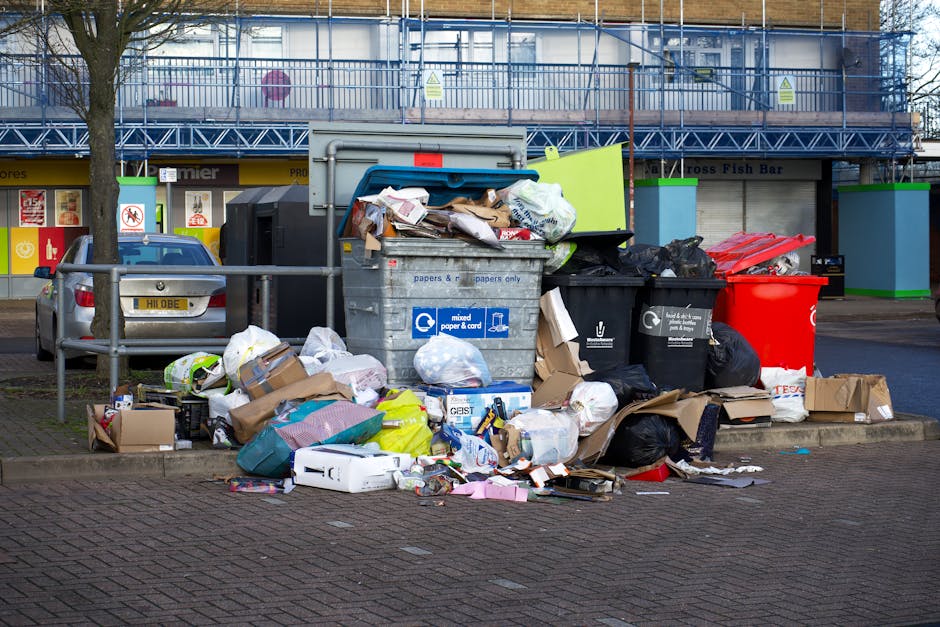
Practical checklist
Use this before confirming your booking. It is short on purpose. That usually makes it more likely to be used.
- Have I described the waste type clearly?
- Have I estimated the volume with photos or a sensible comparison?
- Have I mentioned stairs, lifts, gates, or parking limits?
- Have I checked whether the collection needs to fit around building or estate rules?
- Have I confirmed the collection window and whether it is urgent?
- Have I asked what is included in the price?
- Have I mentioned any heavy, awkward, or unusual items?
- Have I checked that the waste is ready and accessible on the day?
- Have I read the key service terms before paying?
- Have I kept a copy of the booking details?
If you can tick those boxes, you are already ahead of most people. Honestly, that is often enough to avoid the worst common problems.
Conclusion
Booking mistakes for Hackney rubbish collection common problems are usually avoidable once you slow down, give accurate details, and think through access before the van turns up. That is the real message here. Most of the stress comes from missing information, not from the collection itself.
Whether you are clearing a flat, tidying a garden, removing builders waste, or sorting out an office, the same principles apply: describe the waste honestly, share access details early, confirm the scope, and keep the booking simple and clear. Small steps, but they make a proper difference.
And if you are still weighing up the type of service you need, explore the relevant information on rubbish collection in Hackney and the wider waste removal options first. A little preparation now can save a whole lot of chasing later. Better to sort it once, properly, and get on with your day.
Get a free quote today and see how much you can save.
 Tipper Van - Rubbish Collection and Attic Waste Clearance Prices in Hackney, E5
 Luton Van - Rubbish Collection and Attic Waste Clearance Prices in Hackney, E5