Avoid hidden rubbish collection charges Hackney what to know
Posted on 30/06/2026
If you have ever booked a rubbish collection in Hackney and then noticed the final bill creep upward, you will know how frustrating hidden extras can feel. A quote looks neat on screen, the job sounds simple, and then suddenly there are add-ons for access, labour, waiting time, or waste type. This guide on Avoid hidden rubbish collection charges Hackney what to know explains how those charges happen, how to compare providers properly, and what to check before you agree to anything. The aim is simple: help you keep control of the price without making the process harder than it needs to be.
To be fair, most surprises are avoidable. They usually come from vague wording, incomplete descriptions of the waste, or assumptions about what the collector will do on arrival. Once you know the warning signs, it gets much easier to choose a service with confidence.
Quick takeaway: ask for a written, itemised quote; describe the waste honestly; confirm access, loading, and disposal terms; and check whether the price is fixed or just an estimate.
Why Avoid hidden rubbish collection charges Hackney what to know Matters
Hidden charges are not just annoying. They can distort your decision-making. A job that seemed affordable may end up costing more than a more transparent quote from the start. And in a busy place like Hackney, where access can be tight, parking can be awkward, and buildings vary from modern flats to older terraces, pricing needs to be clear before anyone turns up with a van.
People often search for rubbish clearance in a rush. A kitchen refit is half-finished. A landlord needs a flat cleared between tenancies. A builder has rubble on-site and the skip cannot stay another day. That urgency is exactly when vague pricing causes the most trouble. If you are comparing options, it helps to look beyond the headline number and understand what is included. The same applies whether you need general waste removal, a house clearance, or a more specific job such as builders waste disposal in Hackney.
There is also a trust angle. Transparent pricing is usually a sign of a more organised operation. It suggests the company knows how to assess waste properly, communicate clearly, and avoid awkward conversations at the kerbside. That matters. Nobody wants a "surprise" fee after a pile of old furniture has already been loaded.
In our experience, the people who feel happiest after a collection are not the ones who found the cheapest first quote. They are the ones who understood the quote before booking.
How Avoid hidden rubbish collection charges Hackney what to know Works
The process is usually simple on the surface: you describe the waste, the provider estimates the collection, they arrive, load everything, and take it away. The problem starts when one or more of those steps is not defined clearly enough.
Here is where hidden charges often appear:
- Access issues: long carry distances, stairs, basements, narrow hallways, or no nearby parking.
- Unclear waste volume: a "small load" turns out to be a mixed pile with bulky items.
- Different waste types: general household waste is priced differently from soil, rubble, plasterboard, or electrical items.
- Labour assumptions: the quote may only include kerbside loading, not carrying items from inside the property.
- Timing changes: urgent same-day work, late arrivals, or extended waiting times can affect the total.
- Additional disposal needs: certain items may require special handling or separate processing.
A careful provider should explain what the price covers in plain English. For example: collection, loading, transport, and disposal. If there are exclusions, those should be obvious too. If a quote is based on photos, the photos need to show the actual pile, not just one tidy corner of it. Yes, people do try that. It rarely ends well.
If you are reading a service page or comparing options, make sure the offer aligns with the real job. A general overview such as the services overview can help you understand the scope, while the page on pricing and quotes is the right place to check how estimates are usually structured.
Key Benefits and Practical Advantages
Getting pricing clarity before booking does more than protect your wallet. It also makes the whole clearance job smoother.
- Better budgeting: you know what to expect and can plan around other moving, renovation, or tenancy costs.
- Less stress on collection day: nobody likes renegotiating while standing beside a pile of bins and broken furniture.
- Fewer disputes: a written agreement reduces confusion about what was promised.
- Faster decisions: clear quotes make comparison easier, which saves time when you are under pressure.
- More suitable service choice: sometimes a full clearance is unnecessary; sometimes a simple collection is not enough.
There is also a practical benefit for property owners and landlords. If you are preparing a flat for re-let, keeping disposal costs predictable helps you protect margin. That is one reason readers exploring local property issues often also look at pieces like navigating Hackney real estate or the Hackney property investment guide. Waste costs are not glamorous, but they do shape the real numbers.
And let's face it, a transparent quote just feels better. Less faff. Less second-guessing.
Who This Is For and When It Makes Sense
This advice is useful for almost anyone arranging waste removal in Hackney, but a few groups should pay particular attention.
Homeowners and tenants
If you are clearing a loft, replacing furniture, or dealing with a full flat tidy-up, you need to know whether the price includes carrying items from inside. A cheap kerbside collection can stop being cheap once three flights of stairs enter the picture.
Landlords and letting agents
Void periods are expensive enough without surprise disposal fees. If a tenant leaves behind bulky waste or a mixture of general rubbish and old appliances, make sure the quote matches the job. For more local context, the article on rubbish removal in London Fields for landlords is a useful related read.
Businesses and offices
Commercial waste can be trickier because it may include desks, filing, packaging, IT equipment, or mixed refuse from a fit-out. If you run a shop, studio, or office, transparency matters because downtime is money. The article on commercial rubbish collection for Dalston Kingsland businesses fits that scenario well.
Builders and renovators
Construction waste is often heavier and less straightforward than household rubbish. A quote based on "general rubbish" may not cover rubble or plasterboard, so check carefully if you need builders waste disposal Hackney.
Anyone booking urgent collection
Emergency jobs are where hidden charges can sneak in. When time is tight, people sometimes skip the questions. That is understandable, but it can be expensive. If a site, station area, or busy road makes access awkward, ask about that before the booking is confirmed. The same logic applies to urgent local jobs such as emergency rubbish pickup near Hackney Wick Station.
Step-by-Step Guidance
If you want to avoid hidden charges, follow a simple process. Not glamorous, but it works.
- Describe the waste honestly. Say what it is, where it is, and roughly how much there is. Include bulky items, mixed loads, broken furniture, soil, rubble, or garden cuttings if relevant.
- Explain access clearly. Mention stairs, lifts, rear access, narrow entrances, parking restrictions, and how far the load must be carried.
- Ask for an itemised quote. The quote should show what is included and what could cost extra.
- Confirm whether the price is fixed. An estimate is not the same thing as a fixed price. If the company says "subject to inspection," ask what might change it.
- Check the loading model. Is it kerbside only, driveway, or full service from inside the property?
- Ask about special items. Fridges, mattresses, electricals, and construction materials can change pricing.
- Get the terms in writing. A text or email is better than a phone promise you cannot prove later.
- Review the final invoice before paying. If there is a change, ask for a clear explanation line by line.
A small habit makes a big difference here: take three photos of the waste pile from different angles. One from the front, one from the side, and one showing the access route. It takes about thirty seconds and can prevent a lot of back-and-forth later.
Expert Tips for Better Results
There are a few things experienced customers do that save money and reduce friction.
1. Separate what can be separated
If recyclable items, general waste, and bulky furniture are mixed together, the collection may take longer and cost more. Sorting before the crew arrives can simplify loading and sometimes reduce the volume charged.
2. Be careful with "approximately"
"Approximately half a van" sounds helpful, but it can be a bit slippery. If possible, use actual photos and a clear description. A pile that looks small in a hallway often looks very different when loaded safely.
3. Ask what happens if the load is lighter than expected
Good question, right? Some providers reduce the price if the waste is less than anticipated. Others stick to the agreed minimum. Knowing this upfront helps avoid disappointment.
4. Think about timing and parking
Hackney streets can be busy, especially during school runs, weekends, or late afternoon traffic. If the crew needs to wait for parking or access, that can affect the job. Mention the reality on the ground rather than the ideal version.
5. Check payment details before booking
Any reputable operator should be clear about how payment works, when it is due, and what methods are accepted. The page on payment and security is useful if you want to understand those expectations in a straightforward way.
If you are deciding between a few providers, also look for evidence that they care about responsible disposal. A service that talks plainly about reuse, sorting, and environmental handling is often more trustworthy than one that only shouts the lowest number. The information on recycling and sustainability is worth a look for that reason.

Common Mistakes to Avoid
Most expensive mistakes are surprisingly ordinary. Here are the ones that come up again and again.
- Accepting a vague quote: if the total is given without any detail, you are taking a gamble.
- Leaving out access details: stairs and parking can change the job more than people expect.
- Forgetting about mixed waste: a mix of rubbish, metal, wood, soil, and appliances may not be priced like general household waste.
- Assuming labour is included: always check whether the crew loads from inside or only from outside.
- Booking in a rush without comparing: urgency is understandable, but even one extra comparison can save money.
- Not asking about minimum charges: some jobs have a minimum fee even for very small loads.
- Ignoring terms and conditions: the tricky bits are usually there, tucked away in plain sight.
A very common one, and a slightly annoying one, is the "I thought that was included" problem. It happens when assumptions do the heavy lifting. Best not to let them.
Tools, Resources and Recommendations
You do not need fancy tools to avoid hidden rubbish charges. Just a sensible process and a few simple resources from the site can help.
- Pricing and quotes for understanding how estimates are usually presented.
- Services overview to see the range of waste and clearance work available.
- Rubbish collection Hackney for general collection needs.
- Waste removal Hackney when you want a broader clearance option.
- House clearance Hackney if you are emptying a property rather than moving a few items.
- Office clearance Hackney for workplace clear-outs and desk removal.
If your rubbish is unusually bulky, awkward, or mixed, check whether a specialist page better matches your job. That alone can prevent mispricing. Also, if you care about how a company handles data, policies, and service expectations, pages like privacy policy, terms and conditions, and about us can tell you quite a bit about how the business presents itself.
Law, Compliance, Standards, or Best Practice
This topic touches money and waste handling, so careful practice matters. Without getting bogged down in legalese, there are a few common standards to keep in mind.
First, waste should be described accurately. Misdescribing a load can lead to a pricing mismatch or a refusal on arrival. Second, disposal should be handled responsibly, with attention to the type of material being removed. Third, any business you hire should be clear about safety, access, and how they manage the work on site. That includes things like manual handling, safe loading, and protecting the property where possible.
For customers, the practical best practice is simple: keep records. Save the quote, the job description, any photos you sent, and the final invoice. If a disagreement crops up later, those details are useful. Very useful, actually.
If you are hiring for a sensitive clearance, or if the property contains potentially hazardous or awkward items, ask direct questions before the visit. It is not rude. It is sensible. A provider that answers clearly is usually easier to work with than one that dances around the question.
Options, Methods, or Comparison Table
Different collection methods suit different situations. The cheapest-looking option is not always the best value once labour, access, and time are included.
| Option | Best for | Typical pricing shape | Watch-outs |
|---|---|---|---|
| Kerbside collection | Simple loads placed outside | Often lower headline price | May not include carrying waste from inside |
| Full-service collection | Homes, flats, and offices with stairs or awkward access | Usually higher, but more inclusive | Check whether labour, parking, and waiting are included |
| Bulk waste pickup | Single bulky items or a small number of objects | Can be efficient for lighter jobs | Mixed loads may attract extra charges |
| House clearance | End-of-tenancy, probate, or full-property clear-outs | Often quote-based | Volume and item type matter a lot |
| Specialist waste removal | Builders waste, garden waste, or office furniture | Varies by material and handling needs | Waste type can change the price quickly |
A quick comparison like this can save a lot of time. If you know your job is not a simple curbside pickup, say so from the start. That is how you avoid the awkward "oh, actually..." conversation later.
Case Study or Real-World Example
A landlord in Hackney gets a call on a Monday morning. A tenancy has ended, the cleaner is booked for Thursday, and the flat needs old furniture removed before viewings start. The first quote looks attractive because it is low and quick. But the landlord does not mention that the sofa is on the second floor, the lift is out of order, and parking outside is tight.
When the crew arrives, the job is no longer a simple load-and-go. The quote changes because the collection includes stairs, a longer carry, and more labour time than expected. Nobody is thrilled. Not the landlord, not the crew, and especially not the person trying to line up cleaners and viewings in one week.
The better version of the same job would have been straightforward: send photos, mention the stairs, say where parking is available, and ask for the price with those details included. The final cost may still have been fair, but it would have been known in advance. That is the difference between a surprising price and a manageable one.
It is the same story for a small business clearing an office in Dalston or a resident emptying a garden shed in a side street off Mare Street. The minute access gets awkward or the load changes shape, pricing becomes more sensitive. That is normal. The key is to surface the details early.
Practical Checklist
Use this before you book any rubbish collection in Hackney:
- Have I described the waste accurately?
- Have I included photos from more than one angle?
- Did I mention stairs, parking, narrow access, or long carry distances?
- Is the quote itemised and written down?
- Do I know whether the price is fixed or estimated?
- Have I asked what is excluded from the price?
- Did I confirm how bulky, heavy, or specialist items are charged?
- Do I understand when payment is due and how it is taken?
- Have I compared the quote against at least one other realistic option?
- Do I know who to speak to if the final bill does not match the quote?
If you can tick most of those boxes, you are in good shape. Really, that is the heart of it.
Conclusion
Hidden rubbish collection charges are usually less about mystery and more about missing information. Once you know what to ask, the process becomes much easier to control. Be clear about the waste, honest about access, and specific about what you want included. That is how you turn a vague estimate into a sensible, manageable service.
For Hackney households, landlords, tradespeople, and businesses alike, the best approach is the same: compare properly, confirm details in writing, and do not let a rushed booking make the decision for you. A clear quote is not just about saving money; it is about reducing hassle and keeping the job calm from start to finish.
Get a free quote today and see how much you can save.
If you are planning a clearance soon, take a minute to gather photos, measure the pile, and note any access quirks. It sounds small, but it can make the whole thing run with a lot less friction. And honestly, that is usually worth more than shaving a few pounds off a quote that was never clear in the first place.
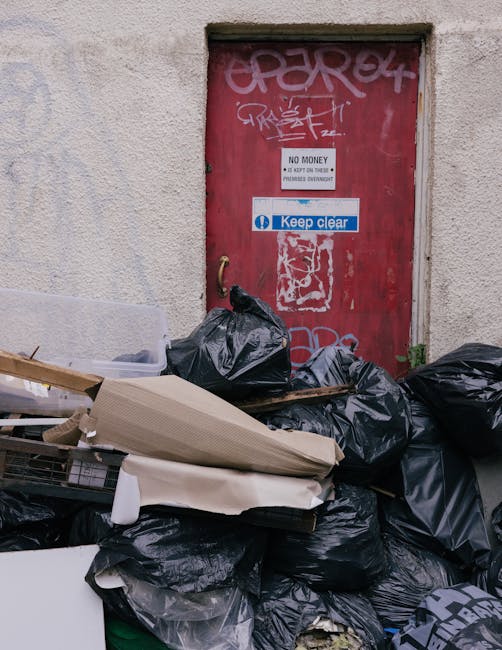
 Tipper Van - Rubbish Collection and Attic Waste Clearance Prices in Hackney, E5
 Luton Van - Rubbish Collection and Attic Waste Clearance Prices in Hackney, E5